Why Your Groups Should Skip Prague and Discover Slovakia in 2026
The Central European tourism market is oversaturated with Prague, Vienna, and Budapest circuits. Your clients have seen these destinations countless times, and frankly, they’re tired of the crowds, inflated prices, and tourist-trap atmosphere. It’s time to offer them something genuinely different: Slovakia’s cities.
As a DMC that has operated in Slovakia since 1993, we’ve watched this country transform from an unknown backwater into one of Central Europe’s most compelling group destinations. The key word here is “compelling” — not “crowded.” Slovakia offers authentic experiences, competitive pricing, and stories that will make your groups feel like explorers rather than tourists following the same old trail.
Why Slovakia Works for Tour Operators Right Now
Let’s be brutally honest about the tour circuit. Everyone has already been to Prague, Vienna, and Budapest. Prague is even considering introducing a fee to access the iconic Charles Bridge. These cities are overcrowded with tourists, and overtourism is becoming a real problem in Central Europe. Slovakia still offers a solution.
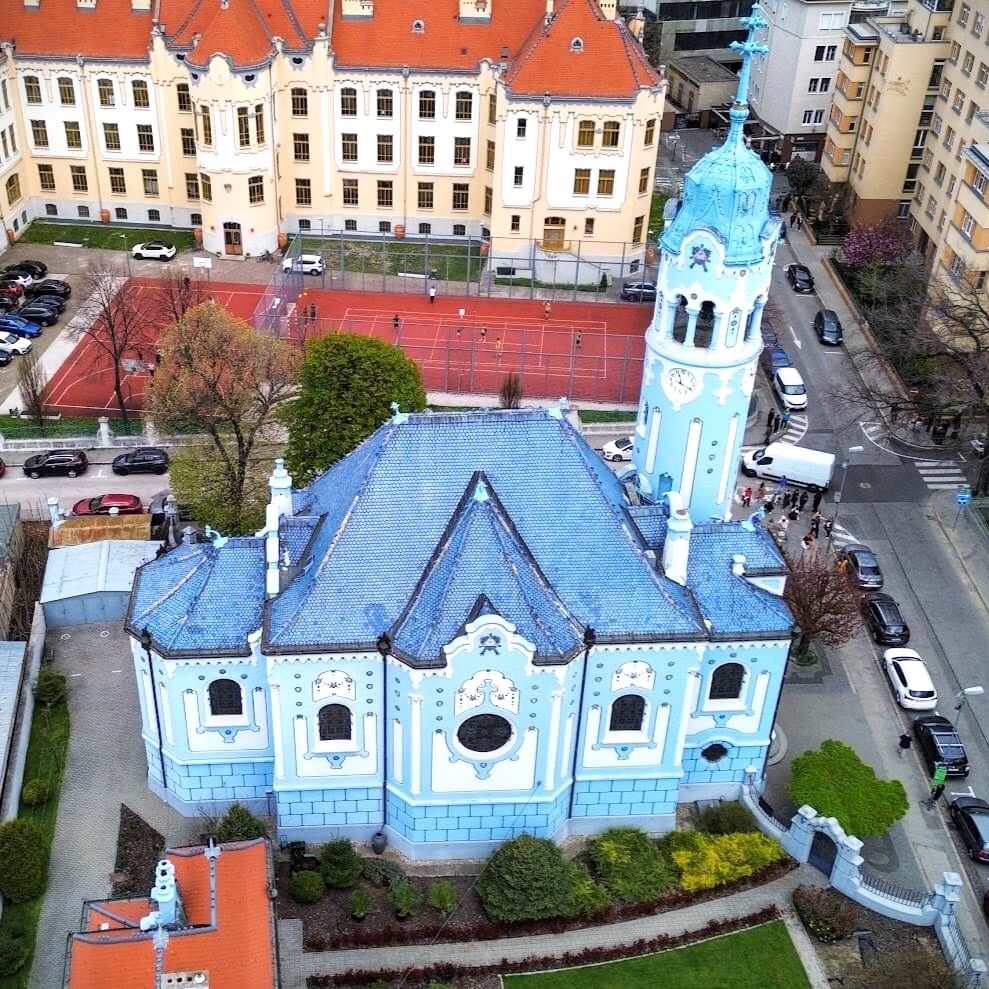
When your groups post photos from Orava Castle or Bratislava’s Blue Church, their friends actually ask, “Where is that?” instead of scrolling past yet another generic Charles Bridge sunset shot.
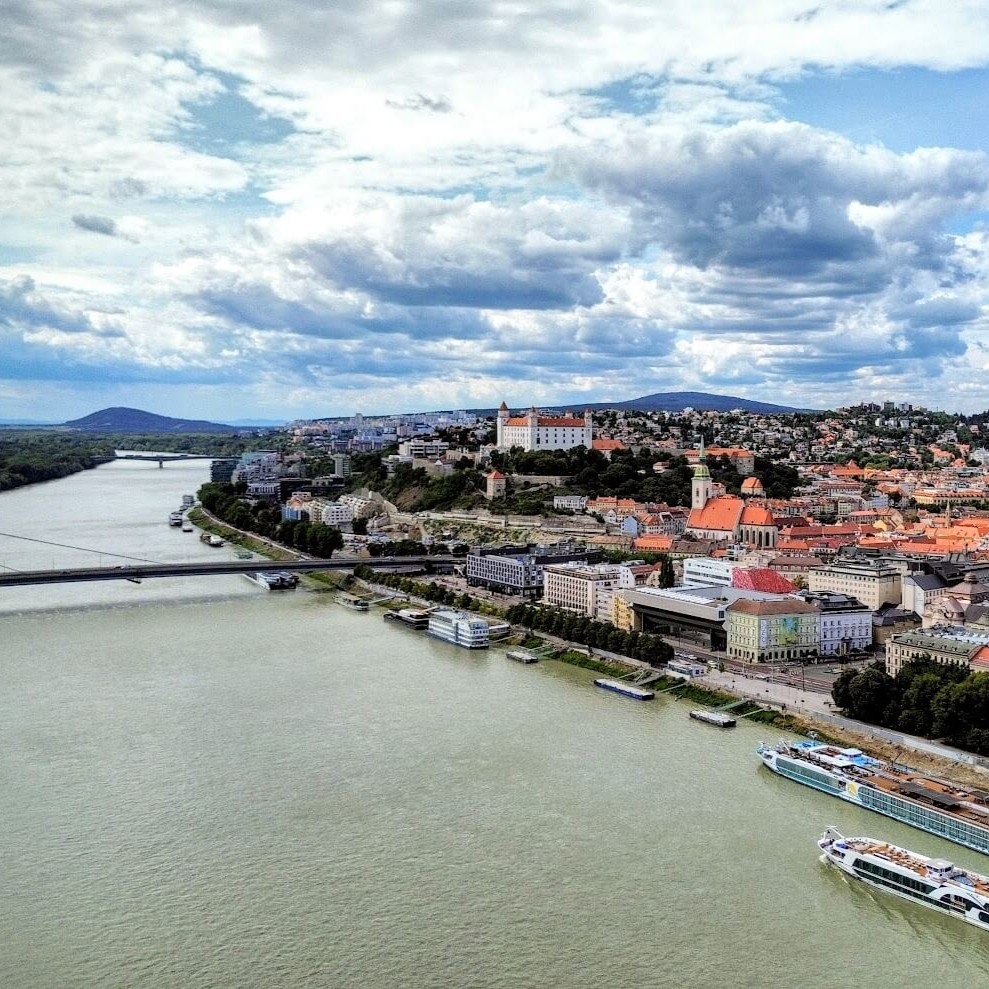
Bratislava: Your New Central European Hub
Stop treating Bratislava as a half-day stop between Vienna and Budapest. This is a full-program destination that deserves at least two nights in your itineraries.
Here’s what most tour operators miss: Bratislava was the capital of the Hungarian Kingdom for nearly 300 years (1536-1783). Eleven Hungarian kings and eight queens were crowned in St. Martin’s Cathedral. This isn’t a footnote — it’s a compelling narrative that connects Habsburg history, Hungarian heritage, and Slovak identity in ways that fascinate educated travelers.
The city is remarkably compact and walkable. Your groups can cover the historic center, Bratislava Castle, and the Blue Church in a single well-paced day, leaving the second day for deeper exploration: Devin Castle, the Jewish heritage sites, or a wine tour in the Small Carpathian Wine Route that begins literally at the city edge.
For American groups especially, the Jewish heritage angle is powerful. The Chatam Sofer Museum preserves the memorial site of one of the most important rabbis in Jewish history. The Museum of Jewish Culture tells the story of Slovak Jews with nuance and depth. This is niche programming that commands premium pricing — and clients who care about this heritage are willing to pay for authentic experiences.
Trenčín: Your 2026 and beyond opportunity
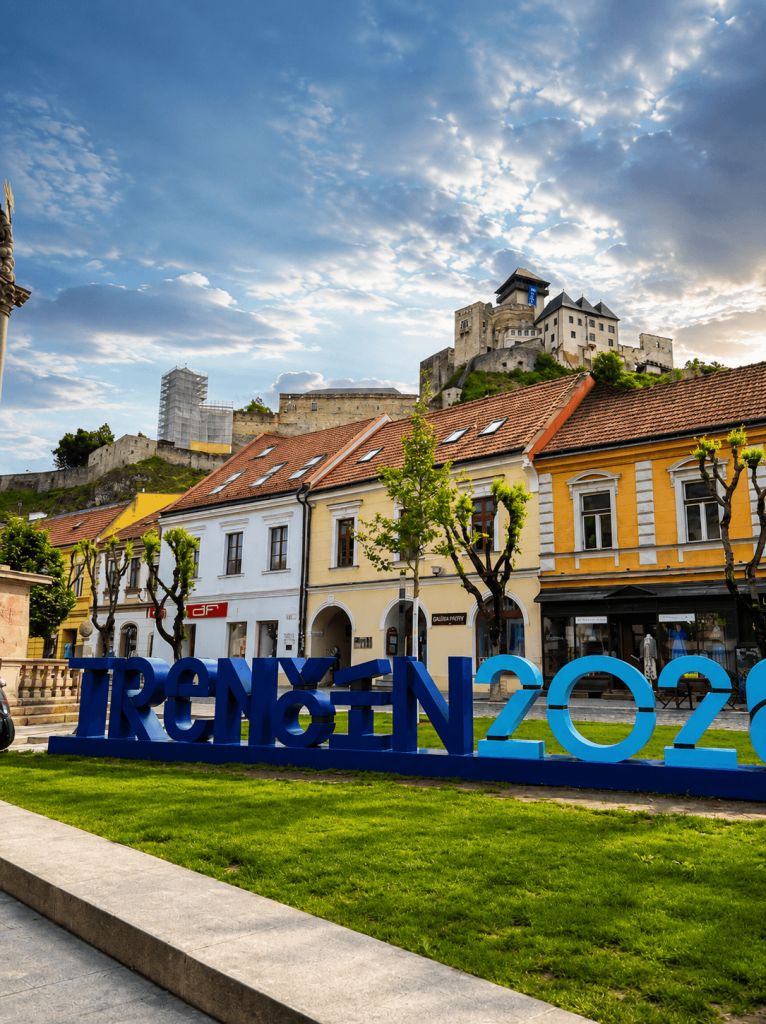
Trenčín is the European Capital of Culture 2026. If you’re not already building this into your programs for next year, you’re leaving money on the table.
The city itself is beautiful — dominated by a hilltop castle and featuring one of the best-preserved historic centers in Slovakia. But 2026 offers something extra: a year-long program of cultural events, exhibitions, and performances that give you ready-made content for cultural tourism programs.
The Roman inscription at Trenčín Castle — dated 179 AD and commemorating the soldiers of Marcus Aurelius — is the oldest written record in Slovakia. That single artifact connects your groups to the Roman Empire at the northern edge of its expansion. History-focused groups eat this up.
Hotel Elizabeth in Trenčín is genuinely unique — one of Slovakia’s most distinctive hotels with character that stands out in group feedback. It’s the kind of property that elevates a program from “nice” to “memorable.”
Žilina: The Gateway to Authentic Slovakia
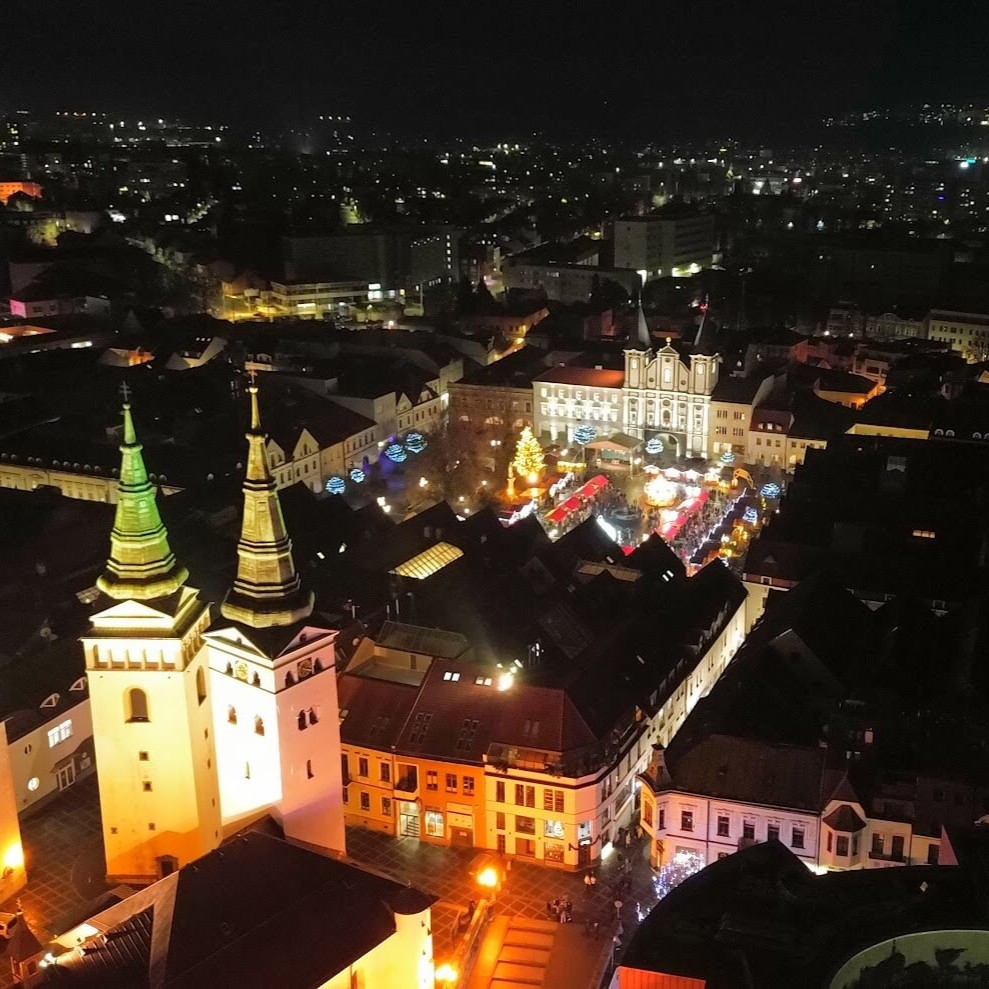
Žilina serves as your operational hub for northwestern Slovakia. The Mariánske námestie (main square) is one of the most beautiful in the country — a perfectly preserved Renaissance square with arcaded buildings surrounding a Baroque church.
But Žilina’s real value for tour operators is accessibility and positioning. It’s an excellent transport hub with good highway connections from Bratislava. Use it as a base for exploring Malá Fatra National Park, organizing sheep cheese workshops in mountain villages, or accessing Orava region.
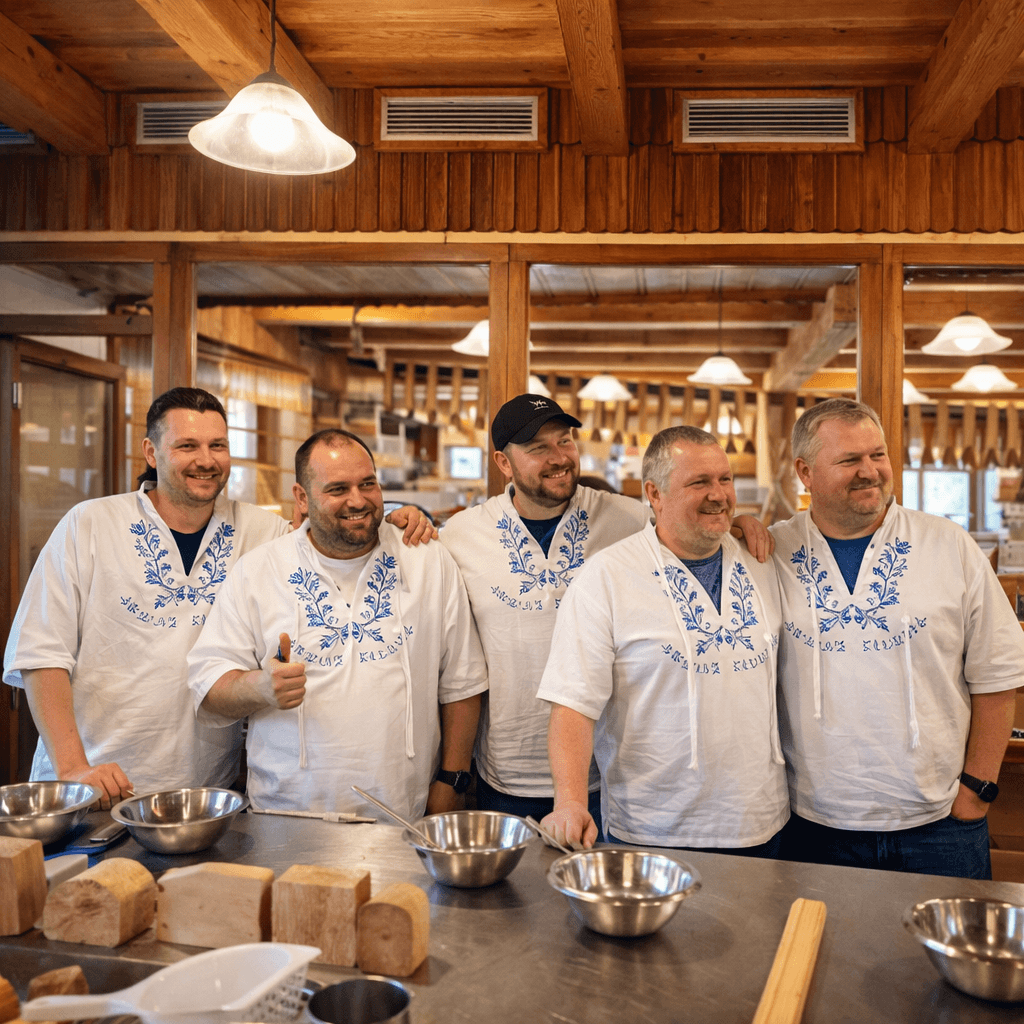
The sheep cheese workshops are particularly valuable for group programming. These are hands-on experiences in working farms where your groups learn traditional cheese-making techniques and taste authentic products. It’s interactive, photogenic, and culturally authentic — exactly what today’s travelers want.
Orava: Where Slovakia Gets Iconic
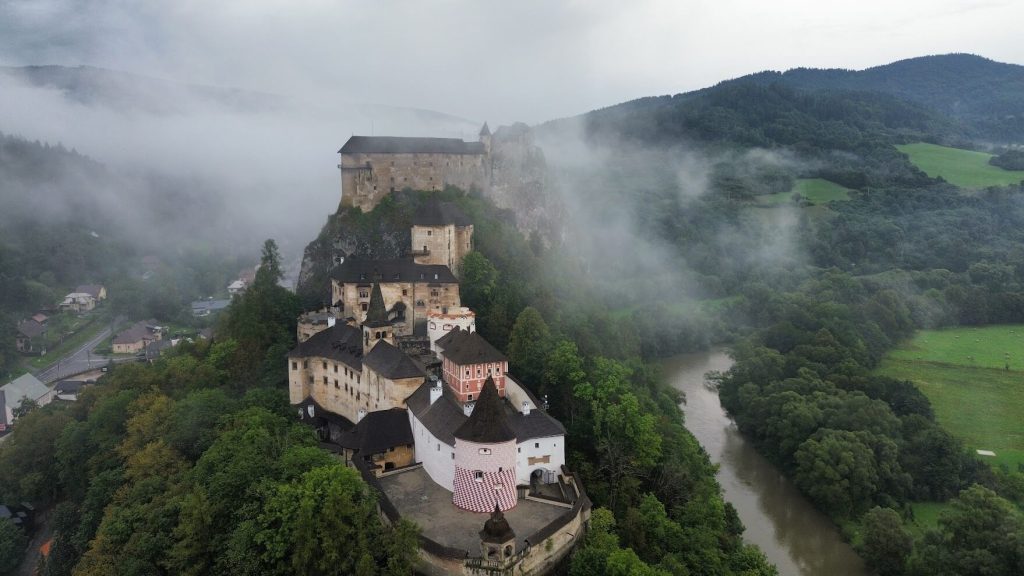
Orava region gives you Slovakia at its most traditional and visually stunning. Oravský Castle is one of the most photographed castles in Central Europe — and unlike Neuschwanstein or Edinburgh Castle, your groups won’t share it with three thousand other tourists.
The castle gained international fame as the filming location for Nosferatu (1922), the first Dracula film ever made. That connection gives you a pop culture angle that works for diverse demographics. The UNESCO-listed wooden church in Tvrdošín and the forest railway in Oravská Lesná add depth to Orava programs. This is the region you use when clients ask for “authentic Slovakia” or “traditional culture” — it delivers both without feeling manufactured
Nitra and Trnava: The History Duo
Nitra is Slovakia’s oldest city and the cradle of Slovak Christianity. The Cathedral of St. Emmeram and Nitra Castle complex tell the story of where Slavic civilization in this region began. It’s profound history, but presented in a city that’s accessible and manageable for groups.
Trnava earned its nickname “Little Rome of Slovakia” through its concentration of churches and religious architecture. The Cathedral of St. John the Baptist houses the largest wooden altar in Slovakia. The Gothic Basilica of St. Nicholas is stunning. And crucially, Trnava is only 40-45 minutes from Bratislava, making it perfect for half-day programs or en route stops.

Operational Advantages for Tour Operators
Let’s talk logistics. Slovakia’s cities are connected by good highways — E75 runs north-south connecting Bratislava, Trnava, Nitra, Trenčín, and Žilina. Your motorcoach programs flow smoothly without the traffic nightmares of Prague or Vienna.
Hotels understand group business. Properties in Bratislava, Trenčín, and Žilina are experienced with tour operator requirements: flexible meal times, early breakfasts, packed lunches, and fair cancellation policies.
Guides are professional and most important — they know how to work with groups. Slovak guides understand pacing, timing, and how to adjust content for different demographics. They don’t deliver university lectures; they tell stories.
Stop Promoting the High Tatras (Unless Specifically Requested)
Here’s some insider advice that will save you headaches: stop over-promoting the High Tatras to every client. Yes, they are beautiful mountains. Yes, they are Slovakia’s best-known attraction. But logistically, they can be challenging for groups, accommodation is relatively expensive, and frankly, if your clients are primarily looking for mountain scenery, the Alps are often a better option.
Focus on the Tatras only when clients specifically request mountain scenery or hiking programs. For everyone else, Slovakia’s cities and cultural regions offer better value, smoother logistics, and more distinctive travel experiences.
If you want to include nature in your itinerary, consider visiting the National Park of Malá Fatra instead of the High Tatras. It offers unique scenery and is a true hidden gem for nature lovers and hiking enthusiasts.
Building Your Slovakia Programs
The smart play for 2026 is positioning Slovakia as an alternative to overdone Prague-Vienna-Budapest circuits. Build programs around Bratislava (2 nights), Trenčín with its Capital of Culture programming (1-2 nights), and Žilina as a base for Orava and northwestern Slovakia (1-2 nights).
This gives you 4-6 night programs entirely in Slovakia, or you can integrate Slovakia into broader Central European tours as a value-add that differentiates your product from competitors still running the same old routes.
The economics work beautifully. Lower accommodation costs in Slovakia allow you to maintain margins while offering competitive pricing to clients. Or keep pricing stable and upgrade experiences — better hotels, included wine tastings, hands-on workshops — that make your programs stand out.
Slovakia in 2026 is what Czech Republic was in 2000: the smart operator’s secret weapon before everyone else catches on. The infrastructure is ready, the stories are compelling, and your groups will thank you for showing them something genuinely different.
FAQ: Slovak Cities for Tour Operators (2026)
Because the traditional Central European circuits are increasingly overcrowded and expensive. Slovakia offers a more authentic, less crowded alternative with better pricing, easier logistics, and fresh experiences that clients haven’t already seen.
Cities like Bratislava, Trenčín, and Žilina are compact, accessible, and well-suited for groups. They combine cultural depth, strong storytelling potential, and practical advantages such as good hotel availability, coach accessibility, and competitive costs.
Bratislava should not be treated as a short stop between capitals. It works best as a full destination with at least two nights, offering a mix of historic heritage, walkable sightseeing, Jewish cultural sites, and easy access to nearby wine regions and castles.
Trenčín is especially important in 2026 as the European Capital of Culture. It offers a strong combination of history, cultural programming, and distinctive accommodation, making it a natural highlight for cultural and themed itineraries.
Both. Slovakia works well as a standalone 4–6 night program focused on its cities and regions, but it can also be integrated into broader Central European itineraries as a high-value alternative that differentiates standard routes.
