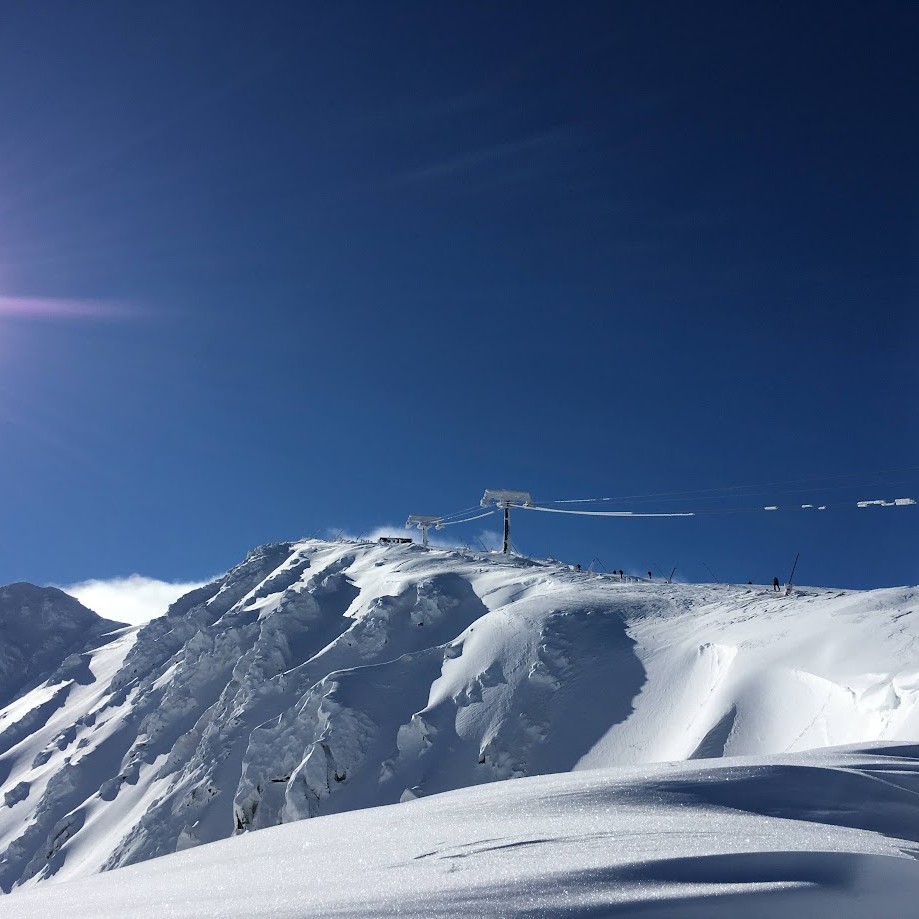
As a tour operator or travel agency, you’re constantly seeking destinations that combine excellent value, authentic experiences, and satisfied clients. Slovakia’s ski resorts tick all these boxes while remaining one of Central Europe’s best-kept winter sports secrets. This comprehensive guide will help you understand why Slovakia deserves a prominent place in your winter sports portfolio.
Why Slovakia Should Be on Your Radar
Slovakia offers a compelling proposition for B2B travel professionals. With over 50 ski resorts scattered across the High Tatras, Low Tatras, and Fatra mountains, this compact nation delivers Alpine-quality skiing at a bit lower prices than neighbouring Austria or Switzerland. The country’s strategic location in Central Europe, excellent infrastructure, and improving airport connections make it increasingly accessible for international groups.
For tour operators, Slovakia presents substantial margin opportunities. Accommodation costs run 10% lower than comparable Western European destinations, while lift passes and ski schools offer exceptional value. Your clients receive premium experiences without premium price tags, making it easier to upsell additional services and maintain competitive positioning.
Jasna Nizke Tatry: Slovakia’s Premier Destination
Located in the Low Tatras mountain range, Jasna is Slovakia’s largest and most developed ski resort. With 49 kilometers of pistes serviced by modern gondolas and chairlifts, Jasna rivals many Western European resorts in terms of infrastructure and snow reliability.
What makes Jasna ideal for tour operators: the resort spans two valleys, Chopok North and South, offering diverse terrain suitable for all skill levels. This versatility makes group bookings simpler, as beginners and advanced skiers can enjoy the same destination. The resort invested over 50 million euros in recent years, installing state-of-the-art snowmaking systems covering 90% of slopes.
Jasna’s accommodation options range from luxury hotels to budget-friendly apartments, allowing you to construct packages for various client segments. The resort village of Demanovska Dolina provides authentic Slovak hospitality, while nearby Liptovsky Mikulas offers additional hotel capacity for larger groups.
Practical advantages: direct bus connections from Bratislava and Krakow airports, dedicated group booking contacts, and flexible payment terms for tour operators. The resort’s season typically runs from December through April, with night skiing available on selected slopes.
Vysoke Tatry: The High Tatras Experience
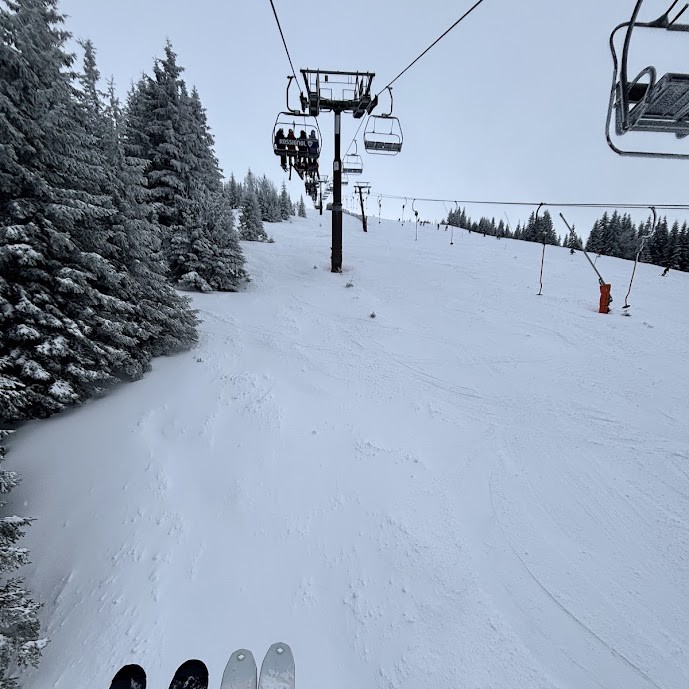
The High Tatras represent Slovakia’s most dramatic mountain landscape, and resorts here capitalize on stunning alpine scenery. The interconnected resorts of Tatranska Lomnica, Stary Smokovec, and Strbske Pleso create a comprehensive ski area accessible on a single lift pass.
Tour operator benefits: these resorts cater naturally to mixed groups, non-skiers can enjoy cable car excursions, winter hiking, and wellness facilities while active guests hit the slopes. The historic mountain hotels add character that budget-conscious clients seeking authentic Alpine experiences appreciate.
Tatranska Lomnica features Slovakia’s highest cable car, ascending to 2,632 meters at Lomnicky stit. This attraction alone justifies rest days in multi-day packages. The area offers 30 kilometers of groomed runs plus extensive off-piste opportunities for advanced groups.
Infrastructure considerations: the region has excellent three and four-star hotel capacity, purpose-built for tour groups. Railway connections link all High Tatras resorts, simplifying logistics. Poprad-Tatry Airport, though small, receives seasonal charter flights and sits just 15 minutes from the slopes.
Donovaly: The Family-Friendly Option
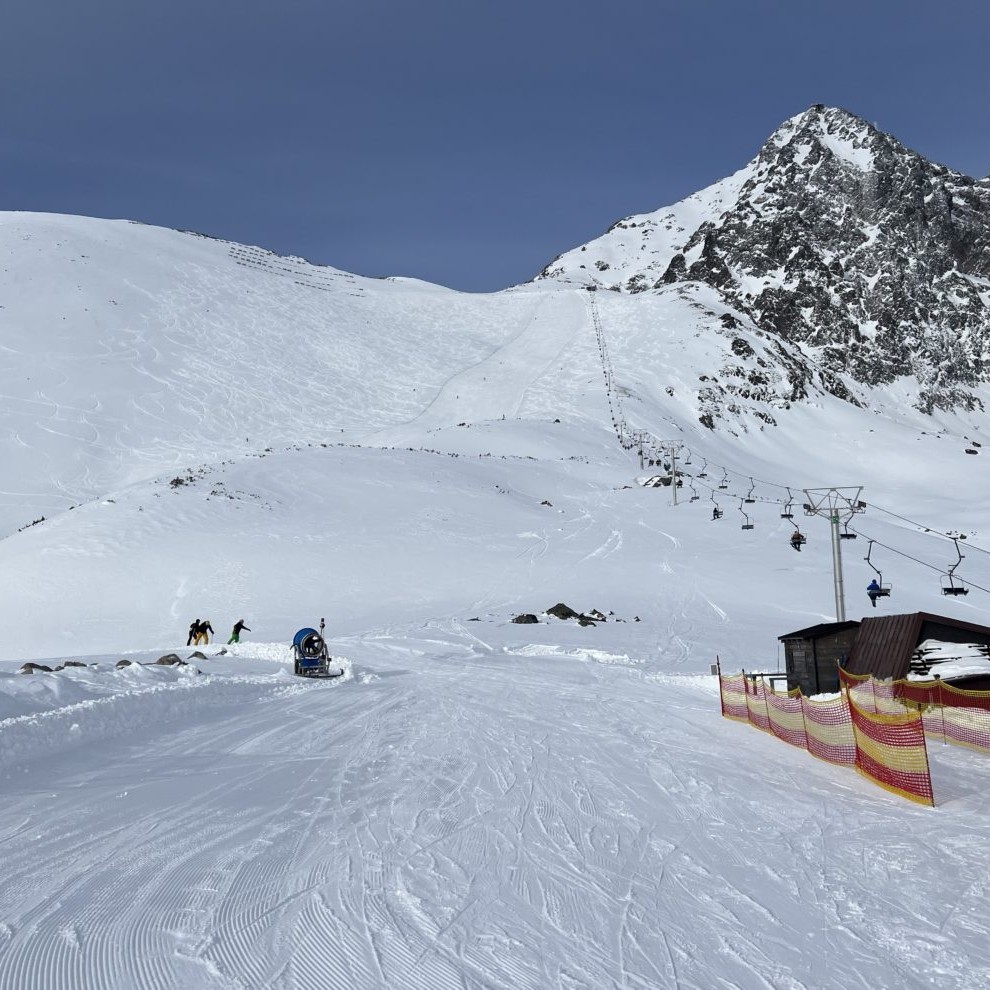
Positioned between the Low and Great Fatra mountains, Donovaly excels as a family-oriented resort. For agencies specializing in family travel or school groups, this destination offers safety, convenience, and appropriate terrain.
The resort features 11 kilometers of primarily blue and red runs, plus Slovakia’s largest snow park. Donovaly’s compact layout means groups stay together easily, and instructors can supervise students effectively. The resort has developed extensive beginners’ areas with magic carpets and gentle slopes.
B2B advantages: Donovaly offers all-inclusive packages specifically designed for tour operators, including accommodation, lift passes, equipment rental, and instruction. The resort management actively courts group business and provides dedicated coordinators. Accommodation clusters around two main areas, simplifying group check-ins and supervision.
Ski Park Ruzomberok: The Hidden Gem
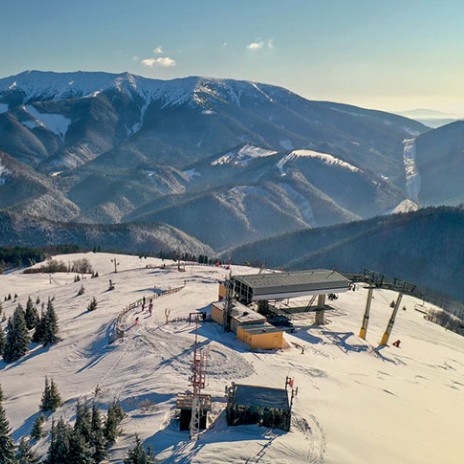
This resort in the Mala Fatra mountains remains relatively undiscovered by international tourists, creating opportunities for agencies seeking differentiation. Despite its lower profile, Ruzomberok invested heavily in infrastructure, installing modern six-seat chairlifts and comprehensive snowmaking.
With 15 kilometers of slopes and reasonable proximity to Zilina (45 minutes), the resort works well for short breaks or as part of multi-center itineraries. Prices here undercut even other Slovak resorts, maximizing your margin potential while delivering genuine value to clients.
Vratna Valley – Mala Fatra: For Advanced Groups and Freeride Enthusiasts
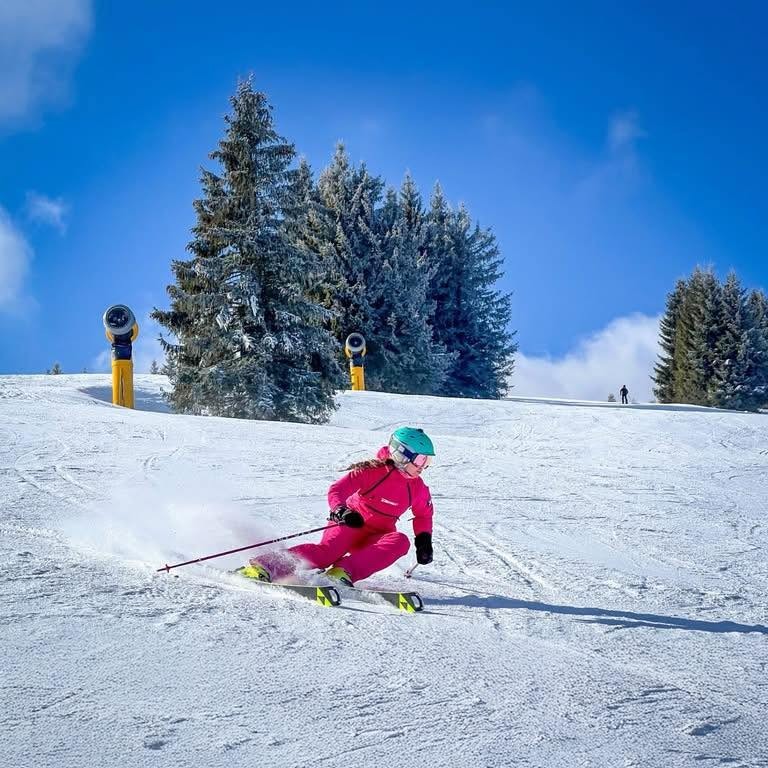
Tucked into the Mala Fatra range, Vratna Valley ranks among Slovakia’s four highest-altitude ski areas, a distinction that translates into a longer and more dependable season for your clients. The resort operates across three connected zones, Paseky, Poludnovy Grun, and Chleb, so a single lift pass unlocks terrain for every skill level within one valley.
Paseky is the most developed of the three, prized for its varied terrain, floodlit night skiing, and a dedicated children’s zone, with combined runs stretching over 1.5 kilometers. A four-seat chairlift links Paseky to Poludnovy Grun, opening up more demanding terrain for confident skiers and snowboarders. Both zones benefit from technical snowmaking, giving tour operators a reliable product even in leaner snow years.
Chleb, reached by gondola, is where Vratna Valley distinguishes itself from the rest of Slovakia’s resorts. Sitting at 1,500 meters and relying purely on natural snow, this zone is built for freeride skiing, ski touring, and backcountry descents, often extending the season into spring in good years. Groups with strong intermediate to advanced skiers can access what is likely the steepest groomed black run in the region, with pitches exceeding a 50% gradient, as well as Slovakia’s longest black run, a two-kilometer descent beneath the gondola line with a 750-meter vertical drop.
For tour operators: Vratna Valley works well as an itinerary differentiator for groups seeking more challenging terrain or freeride and ski-touring add-ons alongside a standard package. A single resort-wide skipass simplifies group logistics, and the mix of snowmaking-backed beginner terrain with natural-snow expert slopes makes it possible to sell this destination to mixed-ability groups without splitting them across separate resorts.
Kubinska Hola: Panoramic Slopes Above Dolny Kubin
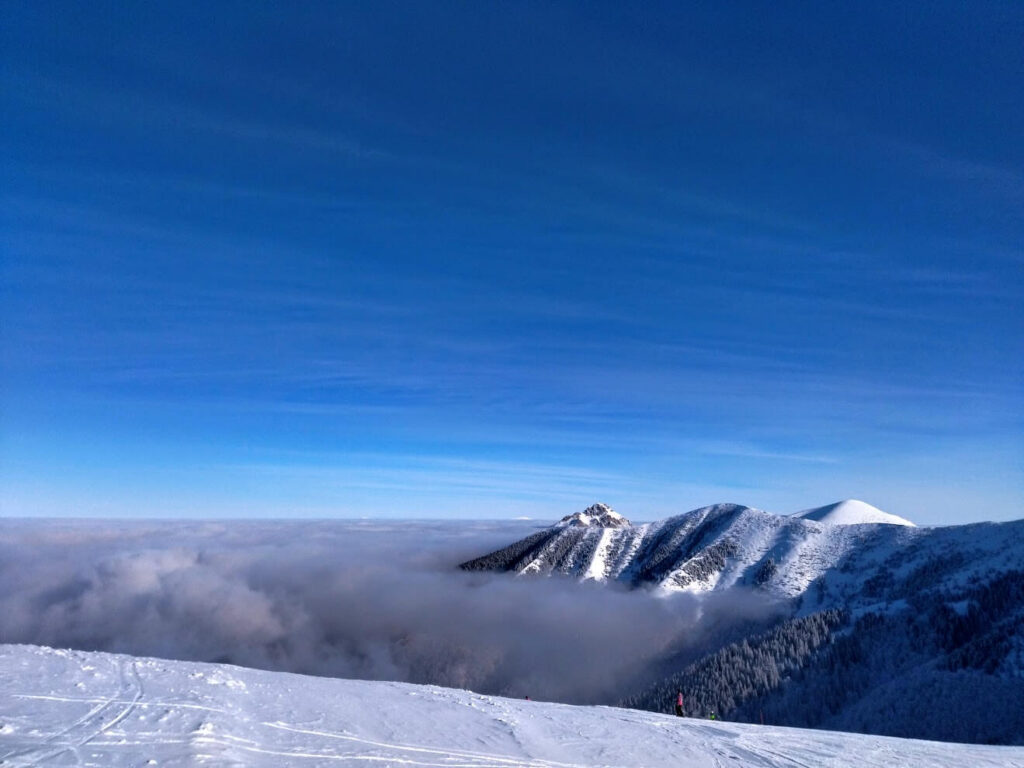
Rising above Kubinska Hola, near the Orava region town of Dolny Kubin, this resort is built around two connected chairlifts, Mincol I and Mincol II, that lift skiers from the valley station at roughly 720 meters to the 1,375-meter summit, each handling up to 2,000 people per hour. On clear days the summit delivers one of the widest panoramas in Slovakia, stretching from the Mala Fatra and Velka Fatra ranges past Velky Choc and the Orava and Kysuce Beskydy all the way to the Western Tatras and, in good visibility, the Low Tatras.
For tour operators: Kubinska Hola works well as a value-priced addition to Orava-based itineraries, pairing naturally with cultural stops such as Orava Castle. The two-stage lift system keeps groups moving together across a substantial vertical drop, and the resort’s multi-season activities, including a bike park and zipline, give agencies a ready-made shoulder-season product to sell alongside winter packages.
Building Your Slovakia Ski Product
Successfully marketing Slovak ski resorts requires positioning them correctly. Don’t compete directly with established Alpine destinations. Instead, emphasize value, authenticity, and accessibility in your messaging.
Value positioning built around “Something New in Carpathians” resonates with budget-conscious travelers without suggesting compromise on experience.
Authenticity matters too: Slovakia’s resorts feel genuinely local rather than international, appealing to travelers seeking cultural immersion alongside sport.
Accessibility is another selling point: from Vienna (Jasna: 5 hours), or Krakow (3 hours), Slovakia sits within reasonable transfer distance of major airports.
Practical Considerations for Tour Operators
Contracts and allotments: major resorts like Jasna and the High Tatras offer seasonal allotments with flexible release clauses. Negotiate directly through Slovak DMCs specializing in winter sports.
Ground handling: partner with established Slovak DMCs who understand tour operator needs. Coach transfers, ski equipment logistics, and multilingual guides require local expertise.
Payment terms: Slovak suppliers typically offer more favorable payment terms than Western European counterparts, improving your cash flow management.
Insurance and liability: ensure your standard winter sports insurance covers Slovakia. EU membership means straightforward healthcare reciprocity for European clients.
Seasonal Timing and Capacity Planning
Slovakia’s ski season reliability has improved significantly with extensive snowmaking investments. Book early-season (December) and late-season (March-April) slots for best availability and rates. February remains peak season, particularly during school holidays, when advance booking is essential.
The market remains capacity-constrained in peak weeks, but this creates opportunities for agencies able to commit early or fill shoulder-season departures.
Conclusion
Slovakia’s ski resorts represent a strategic opportunity for forward-thinking tour operators and travel agencies. The combination of quality infrastructure, competitive pricing, authentic cultural experiences, and improving accessibility creates a compelling product. As Western European destinations price themselves beyond reach for many travelers, Slovakia stands ready to capture value-conscious winter sports enthusiasts.
By developing Slovak ski products now, you position your agency ahead of competitors while building relationships with suppliers in an emerging destination. Your clients discover excellent skiing at honest prices, your bottom line benefits from healthy margins, and everyone returns satisfied, the definition of sustainable tourism business.
Frequently Asked Questions
If you can, lock in December or the March-April shoulder weeks first, since rates and availability are both better then. February is by far the tightest month, particularly around school holidays, so those dates need booking well ahead.
Jasna is usually the easiest sell. It spans two valleys with terrain for beginners and stronger skiers alike, so you’re not splitting the group across different resorts just to keep everyone happy.
Plenty, actually. The High Tatras resorts have cable cars and wellness facilities that non-skiers genuinely enjoy, and places like Donovaly or Kubinska Hola work well for winter hiking or just soaking up the scenery while the rest of the group is on the slopes.
For Jasna and the bigger High Tatras resorts, six to nine months out is typical, especially for February dates. Smaller resorts such as Ruzomberok or Vratna Valley tend to stay flexible much closer to the season, which is handy if you’re filling gaps in an itinerary.
For the right client, yes. It isn’t a one-to-one swap on infrastructure everywhere, but the value and the authentic, less-crowded feel resonate with travelers who aren’t chasing brand-name resorts, and a lot of them come back once they’ve tried it.
